60 minutes, one to one
Time to reflect on what is happening, explore your goals, and choose what to practice next.
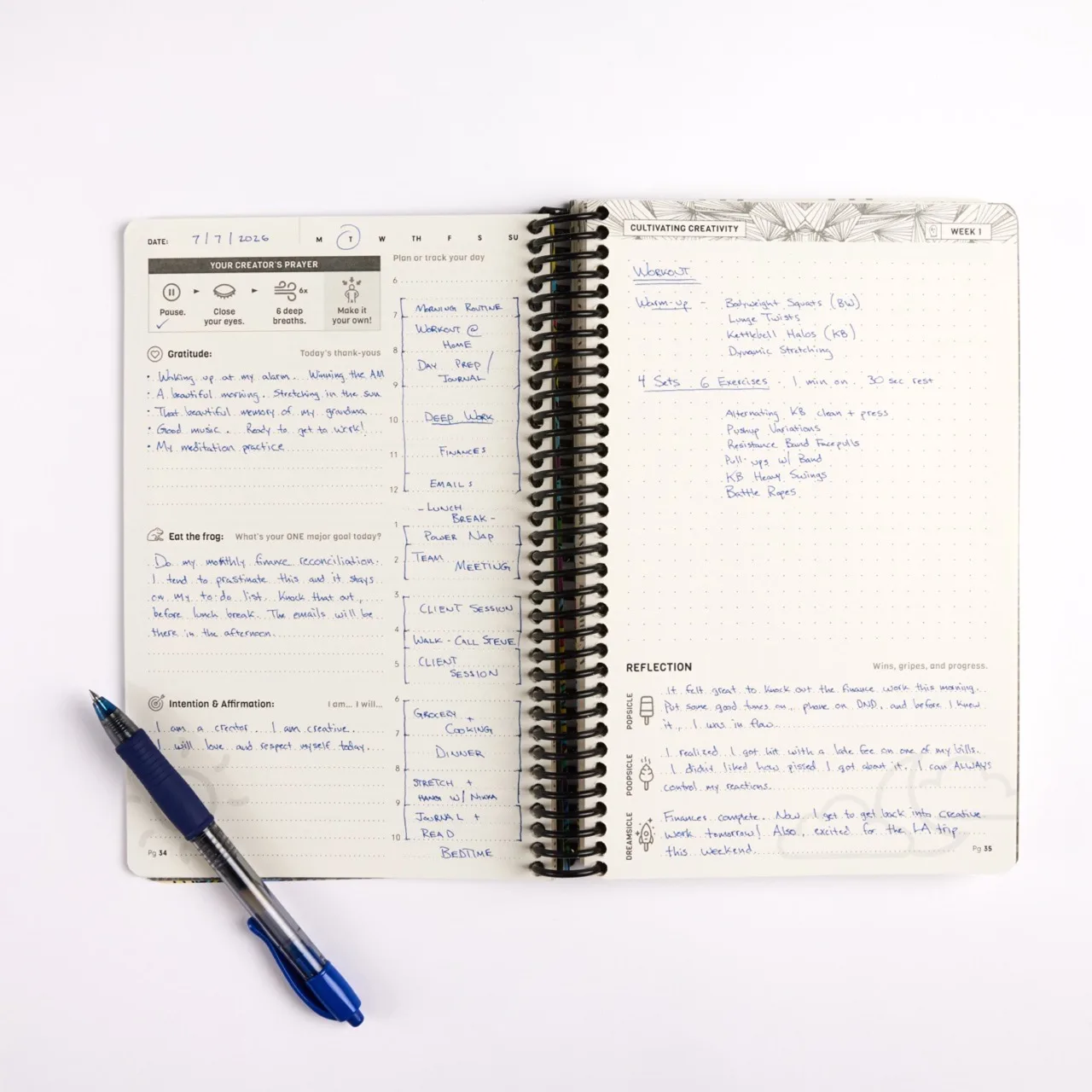
Three-month private coaching
Microdose Coaching helps you reflect, build supportive habits, notice patterns, and integrate what you are learning into the life you are actually living.
A complimentary 30-minute conversation about your questions, goals, and whether this support fits.
A coaching relationship first
What matters is the context around the practice: your intentions, health decisions, habits, relationships, work, creativity, emotional patterns, and willingness to reflect honestly.
The coaching is bespoke. Microdosing may be one part of the conversation, while the broader work remains focused on the person and life in front of us.
What the relationship includes
Time to reflect on what is happening, explore your goals, and choose what to practice next.
Discovery and onboarding help us understand your context, patterns, and the life you want to build.
Support as you put the work into practice. I aim to respond within 24 hours.
We agree on format, schedule, support, and investment before you commit. The physical Journal is also available on its own; discuss how it might fit your coaching relationship.
How the three months work
Discuss your goals, context, and whether this coaching relationship is an appropriate fit.
Discovery and onboarding help us understand your patterns, intentions, and current support. Together, we shape the priorities for your coaching.
Use weekly conversations and reflective practices to notice what is happening and bring useful learning into daily life.
What coaching can support
Clarify the purpose behind the practice and the life areas that deserve honest attention.
Track patterns, context, expectations, and changes with curiosity rather than chasing a single result.
Use what you learn to inform choices, routines, conversations, boundaries, creativity, and care.
Clear boundaries
Seth does not prescribe substances, design medical protocols, supply or source controlled substances, diagnose conditions, or replace a physician or licensed mental-health professional. Clients remain responsible for their health decisions and local laws.
Client perspectives
“The coaching was tremendously helpful along with implementing routines to help guide me through not just the day, but through life.”
Sam · three-month coaching client
Common questions
A coaching relationship with a clear scope.
Microdose Coaching is a three-month coaching relationship centered on the person, habits, reflection, and accountability around a practice. Education and integration focus on learning, preparation, making meaning, and bringing insights into daily life. A conversation helps us understand which support, if any, fits your situation.
After an introductory conversation, we use a deeper discovery and onboarding process to understand your goals, patterns, and context. The three-month relationship includes weekly 60-minute one-to-one sessions and text/email accountability between sessions. I aim to respond within 24 hours. Together, we build a personal roadmap and put it into practice. We agree on the session format, schedule, support, and investment before you commit.
No. Seth does not supply or source substances, prescribe medical protocols, or facilitate psychedelic administration. The work offered here is coaching and education, with clear limits around medical care and local laws.
No. That requires attention to your health, medications, circumstances, and qualified professional advice. Coaching and the Journal do not replace medical screening, diagnosis, treatment, or monitoring.
Yes. The physical Journal is available on its own as a twelve-week educational and reflective tool. Coaching is a separate relationship for people who want more individualized perspective and accountability.
That is a valid place to begin and a valid conclusion. The first conversation is about understanding your questions and the support you need, not persuading you to use psychedelics. Broader private coaching may be relevant, or another kind of support may be more appropriate.