Sometimes I hear psychedelics talked about like the next thing everybody’s supposed to be taking. Peptides, CBD, whatever’s in your feed this week. I get why people are tired of the hype. I also know how much my own experiences with these medicines have changed my life, and I think the work deserves a serious conversation.
A small study in England followed 60 adults who were still struggling with depression after trying other treatments. Both groups had support before, during, and after their session. Those randomly assigned to receive psilocybin saw a bigger improvement in depression symptoms, on average, than those who received a placebo. Researchers still saw a difference at six weeks. Some participants could tell what they’d received, and a larger trial would give us more to go on. Read the study in Nature Medicine
I think we could be on the verge of a mental and spiritual health renaissance. Part of what makes me hopeful is that people are getting more chances to have honest conversations about these medicines. You can pay attention to the research and take your time figuring out what, if anything, it means for you.
The part you come back to on an ordinary Tuesday
I think about some of my deeper experiences like climbing a tree and looking out over the forest. For a moment you can see where you’re going a little more clearly. Then you climb back down and walk the path. For me, a lot of that has looked like meditation, journaling, and breathwork. The part that matters on an ordinary Tuesday is whether I actually make time for it.
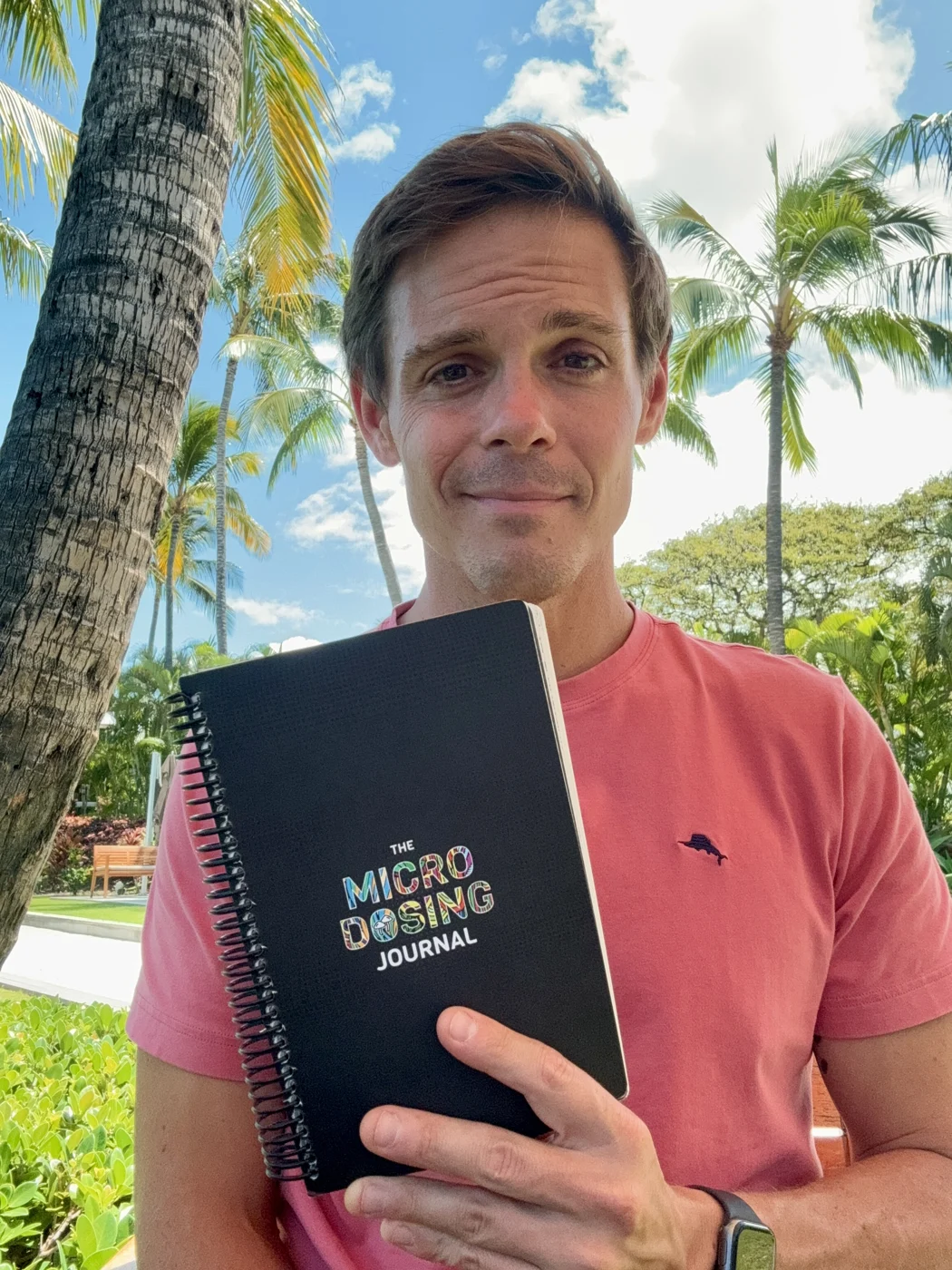
If you’re curious again after years away, start with what’s happening in your life now. What keeps coming up that you haven’t had time to sit with? Write it down and give yourself time to see what else comes up. That question is worth your attention either way. If you’d like a place to start writing, take a look at The Microdosing Journal.
People ask me about my microdosing programs in the middle of conversations about their lives. I can help them think through what they’ve heard and what they still want to know. Whether they choose to work with these medicines is their decision. If you’d like to have that conversation, you can book an introductory call.
For education only. This article does not provide medical advice.